

The Best Places To Retire In North Carolina Hands Down

According to the AARP Global Longevity Economy Outlook in 2020, healthcare topped the list of expenditures for Americans aged 50 years and older. This demographic made up 64% of the total share of healthcare spending in the U.S., representing just over $1.8 billion out of over $2.8 billion in spending. The 50-plus cohort also made up 60% of total spending in the good and services category, and 57% in housing and utilities. In North Carolina, retirees will find that the best places to retire make all those categories — housing, healthcare, and cost of living — more affordable, while also offering local amenities like hospitals or transit that make those necessities easier to gain access to.
As per a moveBuddha 2025 survey, 87% of Americans point to housing and a lower cost of living as factors in their choice of where to move. The average cost of a home in the U.S., according to the Federal Reserve Bank of St. Louis (FRED), reached $700,102 as of February 2026. Meanwhile, consumer expenditures in 2024, per the Bureau of Labor Statistics (BLS), were $78,535, and the cost of healthcare, per the BLS via the Federal Reserve Bank of St. Louis, averaged $7,799 a year, as of 2025. All of these expenses are especially important in retirement, and with these costs in mind, North Carolina offers many affordable communities that retirees can call home.
Raleigh
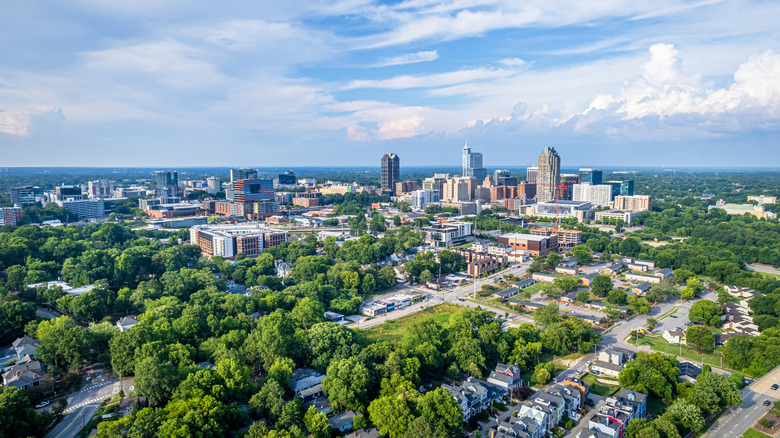
Raleigh, nestled within a region called The Research Triangle for its proximity to three universities — the University of North Carolina at Chapel Hill, Duke University, and North Carolina State University — is a college town in North Carolina perfect for retirement. According to Payscale, Raleigh's cost of living is 5% lower than the national average, as of February 2025. While your grocery bill may reflect a 1% higher bill, housing and utility costs are 12% and 11% lower than the national average. Healthcare comes at a rate 16% higher than the national average, with a doctor visit running around $179. As per Mira, the average charge for a primary care specialist in 2025 started at $150, with a high end of $300 for your first visit. Still, a high end average for return visits is $200, so while a visit to your doctor will cost you more, it's still reasonably within the range many Americans will pay for care. Plus, you can access quality care at nearby Duke University Hospital and UNC Hospitals.
As per Zillow, the average value of a home in Raleigh is $424,924, as of February 2026, and reflects a 2.8% discount from the past year. Compared to the national average home price in January 2026, via Federal Reserve Bank of St. Louis (FRED), of $700,102, a home purchase in Raleigh offers a major discount. Also, in January 2026, the average rent in Raleigh was $1,574 per month, compared to the national average of $1,995 in February 2026.
Wilmington
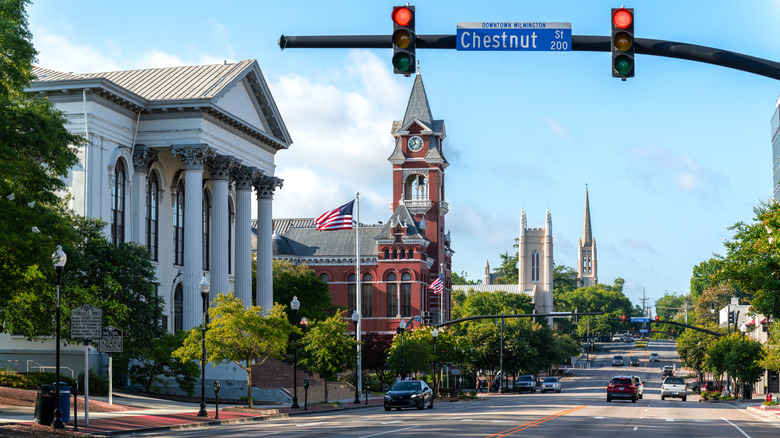
Wilmington offers seniors a waterfront retirement with beaches and boating. Aside from the benefits for water lovers, per Payscale, the city also boasts housing that is 21% below the national average and groceries that are 2% cheaper, leading to a location with a cost of living 5% lower than the national average. Healthcare comes in 7% higher than the national average, with a $164 average doctor visit. However, compared to the national average, rent averages, per Apartments.com, just $1,341 per month, immediately saving retirees over $600 per month.
According to Zillow, the average home value in Wilmington was $406,726 in January 2026, almost $300,000 lower than the Federal Reserve's national average. As per SeniorLiving.org, retirement communities in Wilmington charge tenants an average of $2,797 per month, a difference 9% lower than the national average. Retirement communities like The Davis Community offer group activities like pickleball, walking trail hikes, and community gardening, a salon and spa for pampering, and book clubs, lectures, and art classes to keep your mind active.
Hickory
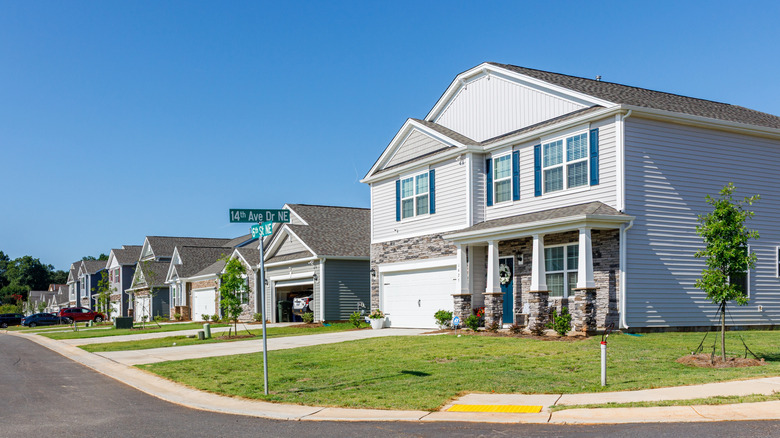
Without a doubt, this small town in North Carolina is one of the cheapest places to live in America. Hickory, according to RentCafe, has an overall cost of living 6% lower than the national average, as well as 2% below the state average, as of February 2026. That translates into miscellaneous goods and services, transportation, healthcare, utilities, and housing that are 4%, 5%, 7%, 8% and 14% lower than the national average, respectively. As per RentCafe data, the average price of a new home was $451,879 in February 2026, with rentals in Hickory priced at an average of $1,497 per month.
Combining phone and electricity, your utility bill will run you around $385 per month. A visit to your doctor averages $147, while the cost of fueling up for your drive to the doctor's office will average $2.97 per gallon. According to MIT's Living Wage Calculator, a single retiree with no dependents would need $41,831 to live comfortably in Hickory, while a couple would require $85,539 between the two of them. With the Bureau of Labor Statistics (BLS) noting that the average consumer expenditure is $78,535 per person, it's unquestionable that living in Hickory is a good financial choice for most retirees.
Fayetteville
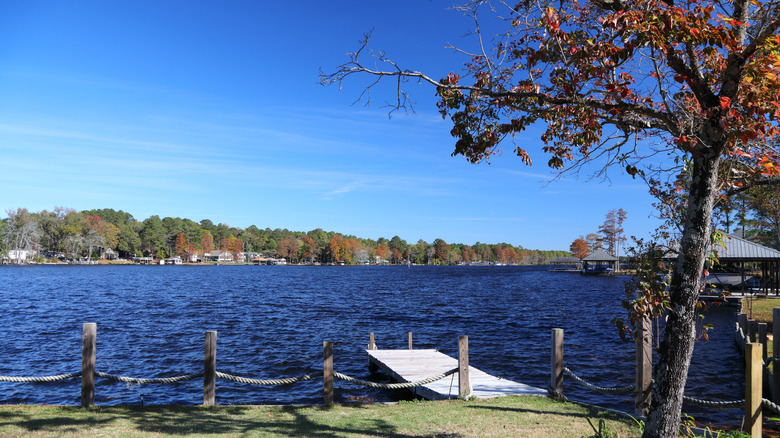
In Fayetteville, according to Payscale, the cost of living was 7% lower than the national average in January 2026, thanks in large part to utilities, groceries, and housing being 3%, 4%, and an outstanding 29% lower than the national average, respectively. As per Zillow, the average value of a home in Fayetteville was $220,766 in January 2026, and that includes a fractional increase over the year prior of 0.1%. Meanwhile, the average rent was $1,426 per month for the same period, a discount of over $500 from the national average.
According to ElderLife Financial, the average cost of living in local retirement community The Carolina Highlands was $2,595 per month in early 2026, while the average for Fayetteville was $5,314. Meanwhile, the 2026 national average for living in an assisted living community, as per CareScout, is $6,259. Healthcare costs are slightly higher based on Payscale's estimate, with a visit to your family doctor averaging around $162, however, there are no less than five hospitals in the region offering premier access to healthcare, so long as you can afford it. That said, healthcare is a major expense you should plan for before retirement anyway.
As a noted military sanctuary community – thanks to its proximity to Fort Bragg — it may also be one of the best places for an ex-service member to use their military discount, which is another way to balance a budget in retirement.
Mooresville
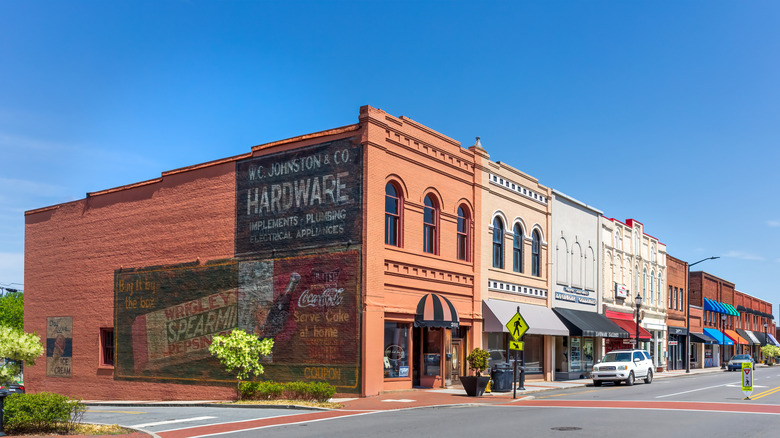
According to the Economic Research Institute (ERI), the cost of living in Mooresville was 8% lower than the national average and 2% lower than the state average, as of February 2026. If safety is important to you in retirement, aside from the cost of living, the crime rate for the area also trends below the U.S. average, with incidents of violent crime around 57% lower than the national average. Per Zillow, house value averaged $473,084 in January 2026 – over $200,000 lower than the national average. The average rent in Mooresville during the same time was $1,687, representing a discount of just over $300 per month compared to the U.S. rental average.
However, according to BestPlaces, health insurance premiums in Mooresville are twice as high as the U.S. average. However, the cost of acute medical care typically falls below the national average which can help mitigate healthcare costs that sneak up on retirees. Situated beside Lake Norman, Mooresville offers a number of lakefront amenities with opportunities for swimming, boating, or just lounging and taking in the view.
Columbus
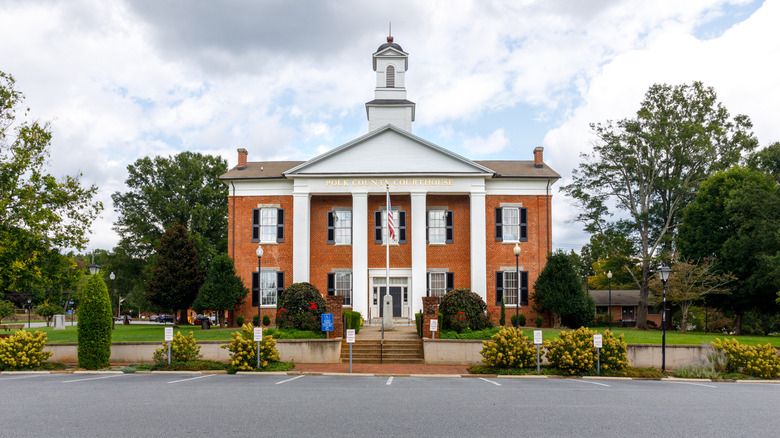
Oenophiles and lovers of countryside living will enjoy Columbus, home to horse stables and wineries. As per MIT's Living Wage Calculator, the average cost to live in Columbus for a single individual was $38,984, and for a couple without children, $81,889, in February 2026. By comparison, the Bureau of Labor Statistics (BLS) found that individuals spent an average of $78,535 in 2024. This means you're looking at a consumer expenditure that's almost 50% lower than the national average in Columbus. Nationwide annual expenditures for categories like food, healthcare, housing, and transportation, per BLS data, were $10,169, $6,197, $26,266, and $13,318, respectively, in 2024. By comparison, food, healthcare, housing, and transportation in Columbus was $3,774, $3,350, $8,660, and $8,862, respectively.
The average value of a home in Columbus, per Zillow, also reflects deeper savings at $324,378 in February 2026 — a price that hasn't moved over the last year. Surprisingly, renting doesn't appear to offer much of a discount from the national average at, as per Zumper, $1,900 per month. That said, this still falls below the national average, freeing up the equivalent of $95 per month or $1,140 per year you can put into your savings.
Winston-Salem

According to Payscale, although the cost of living in Winston-Salem is 9% lower than the national average, where a retiree really wins is housing. The average cost of housing in the area is 32% lower than the national average. As per the Federal Reserve Bank of St. Louis (FRED), as of February 2026, the median listing price of a home in Winston-Salem is $330,000, or less than half of the January 2026 national average of $700,108.
According to Zillow, the average rent was $1,319 in January 2026, providing seniors a welcome respite from a national average almost $700 higher. As per aPlaceforMom, the average cost of independent living in Winston-Salem is $3,954 per month compared to a national average of $4,235 per month. Winston-Salem is also located in wine country, which means a retiree could enjoy weekend wine tours in the countryside with the money they save on housing and rent. Or, they could even turn a love of wine into an investment opportunity.
Elizabeth City

According to BestPlaces, the amount of income required to live comfortably in Elizabeth City is 49% lower than the national average, with a single person estimated to spend $2,433 per month, or $29,200 per year in expenses. With the Bureau of Labor Statistics (BLS) calculating the 2024 annual consumer expenditure to be $78,535 for the year, you can get a true sense of just how more affordable Elizabeth City is by comparison. The overall cost of living, including housing, childcare, food, transportation, taxes, healthcare, and goods and services is just under 16% lower than the national average. What this looks like as far as renting goes, as per Zillow, is an average rent of $1,600 per month as of February 2026.
Where housing is concerned, for the same period, Zillow places the average cost of a home at $257,216. Considering the national average, as per the Federal Reserve Bank of St. Louis (FRED), is $700,102, whether renting or buying, you would a steep discount. As per ElderLife Financial, the cost of independent living in a community like Brookdale Elizabeth City starts at $3,350 per month, while the average for Elizabeth City, as per aPlaceforMom, is $4,077 per month, versus the national average of $4,240 per month.
New Bern

This budget-friendly town is known as the birthplace of Pepsi-Cola and is also one of the best places to retire. New Bern won't burn through your retirement savings, according to BestPlaces, which gives the area a cost of living 16.4% lower than the national average. A retiree should expect to spend $2,700 per month on their own, an amount that is 43.4% lower than the national average. With homes averaging $239,500, and the rent on a two bedroom apartment averaging as little as $1,070 per month, living in New Bern is quite affordable.
The natural amenities of the area include waterfront living by Neuse River, with an entertaining downtown packed with culture, shopping, and dining options.
Greensboro

Another of the best college towns for retirement is Greensboro. As per BestPlaces, a retiree will spend 32.9% less money in Greensboro than the national average, with annual expenses just $38,400. The Bureau of Labor Statistics (BLS) places the monthly national average expenditure in 2024 at $6,544 per month, while the average expenditure in Greensboro is just $3,200 per month. The overall cost of living is just under 16% lower than the national average, and the purchase price of a new home at just $229,900 in January 2026. As per RentCafe, as of February 2026 the average rent in Greensboro is $1,322 per month compared to the national average rent of $1,995 a month, according to Zillow.
Public transportation in Greensboro, North Carolina, offers seniors a discount on their travel, with a ride to and from a destination costing a total of $1.50, a day pass for a full day of transit discounted to $2.00, and an unlimited 31-day pass costing $29 per month. With these kinds of benefits, you may want to get rid of your vehicle in retirement to save more money.
Mount Airy
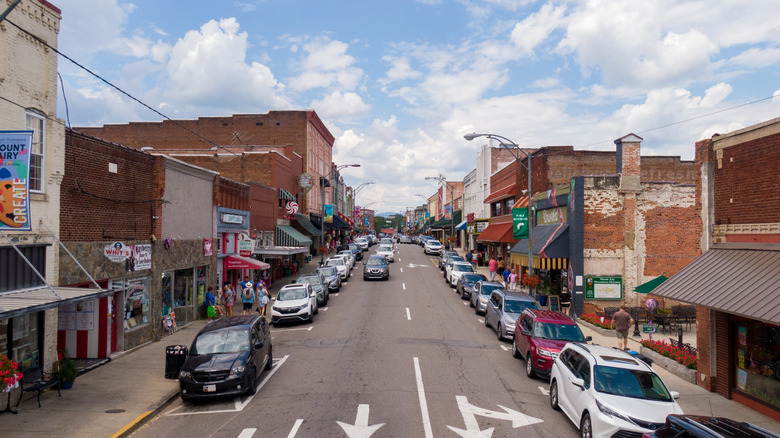
Buying a home in Mount Airy is a breeze according to Zillow, noting the average home value in the area was $201,983 as of January 2026. Comparatively, with the Federal Reserve Bank of St. Louis (FRED) national average listing price soaring to $700,102 as of February 2026, a retiree could effectively pay around 71% less for a home in Mount Airy. As of February 2026, Zillow also found that the average rent in Mount Airy of $1,350 per month is more than competitive with the national average which is over $600 more per month. That alone represents annual savings equivalent to $7,200.
Where assisted living is concerned, you can live in a community in Mount Airy, as per CareScout, for $4,965 per month in 2026. The national average for assisted living communities in 2026 according to CareScout is $6,259 per month, representing a difference of $1,294 per month. Again, that translates into savings as high as $14,988 per year. According to BestPlaces, the average annual expenditure for a single adult in Mount Airy is $26,000. Meanwhile, the national average expenditure, as per the Bureau of Labor Statistics (BLS), of $78,535 means that a retiree will spend an average of $52,535 less.
Asheboro

According to Livability, the median home value in Asheboro is $172,288. Per the Federal Reserve Bank of St. Louis, the national average listing price in February 2026 was $700,102. The cost of owning a home here is a fraction of most places, and with a median rent of $631 per month, a retiree would be hard pressed to find more affordable housing.
Aside from your living costs, Asheboro offers the tranquility of nature with mountains or the coastline within three hours of you and a number of walking trails. Where your health is concerned, several hospitals and medical centers are accessible within 90 miles of Asheboro, including Duke University, Randolph Health, and Cone Health Cancer Center at MedCenter Asheboro.